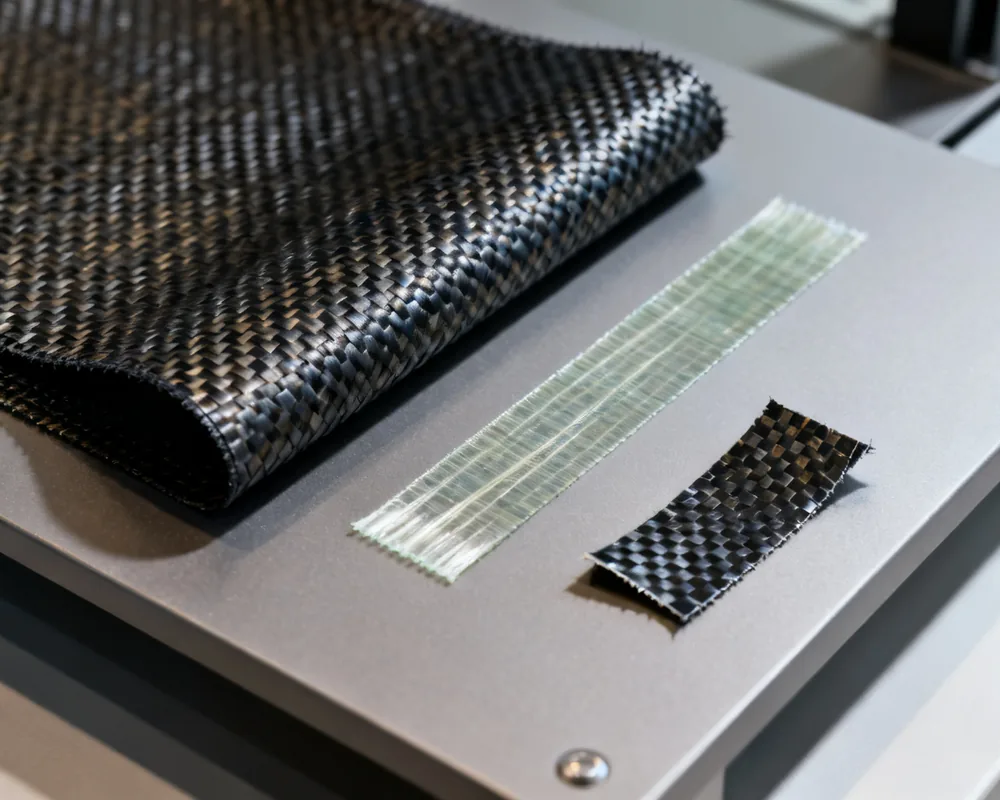
Unbranded carbon fiber weave and dry reinforcement cloth on a specification bench

Toray — Begin with the use

A grade name such as T300, T700, or T800 starts the brief. The cloth, yarn, or prepreg form still has to match the laminate you intend to build.

Discuss your fabric requirements

Technical information routes

Material scope

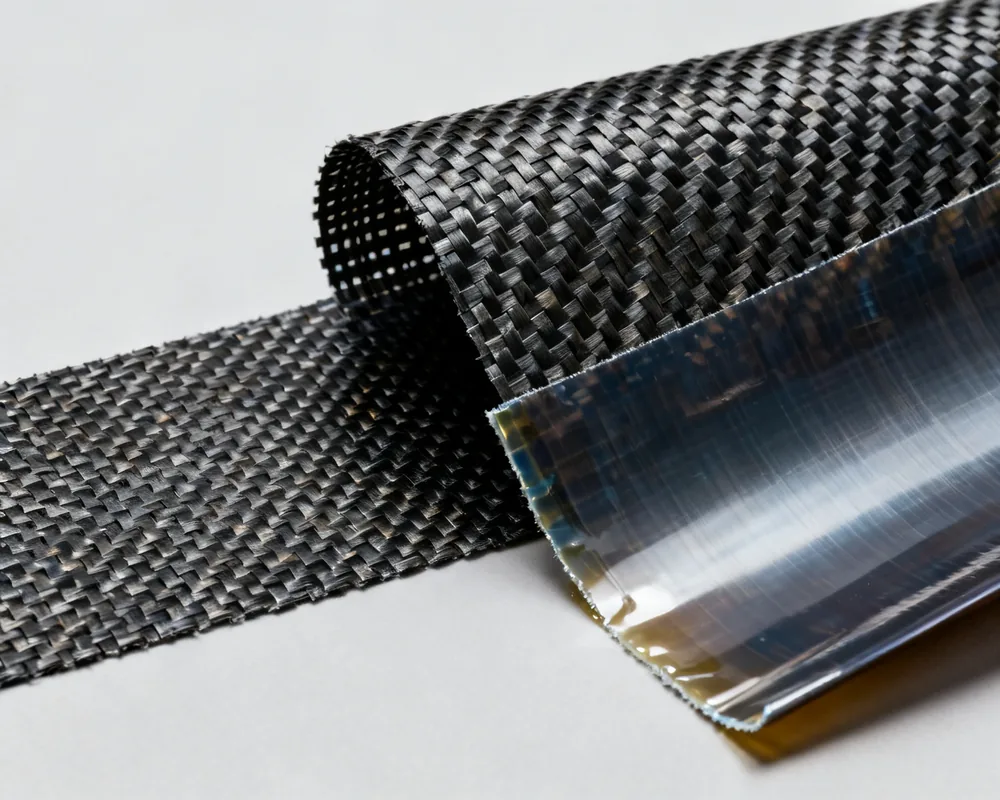
Unbranded woven carbon reinforcement and prepreg offcut

Textile Reinforcements and Prepregs

Compare weave construction, areal weight, usable width, and whether the textile is dry or already combined with resin. Write fiber composition so the shares sum to 100 percent by mass, and say whether warp and weft use the same tow. Keep GSM in g/m² and usable width in cm. Those fields decide how a Toray carbon fiber conversation is specified.

View material scope
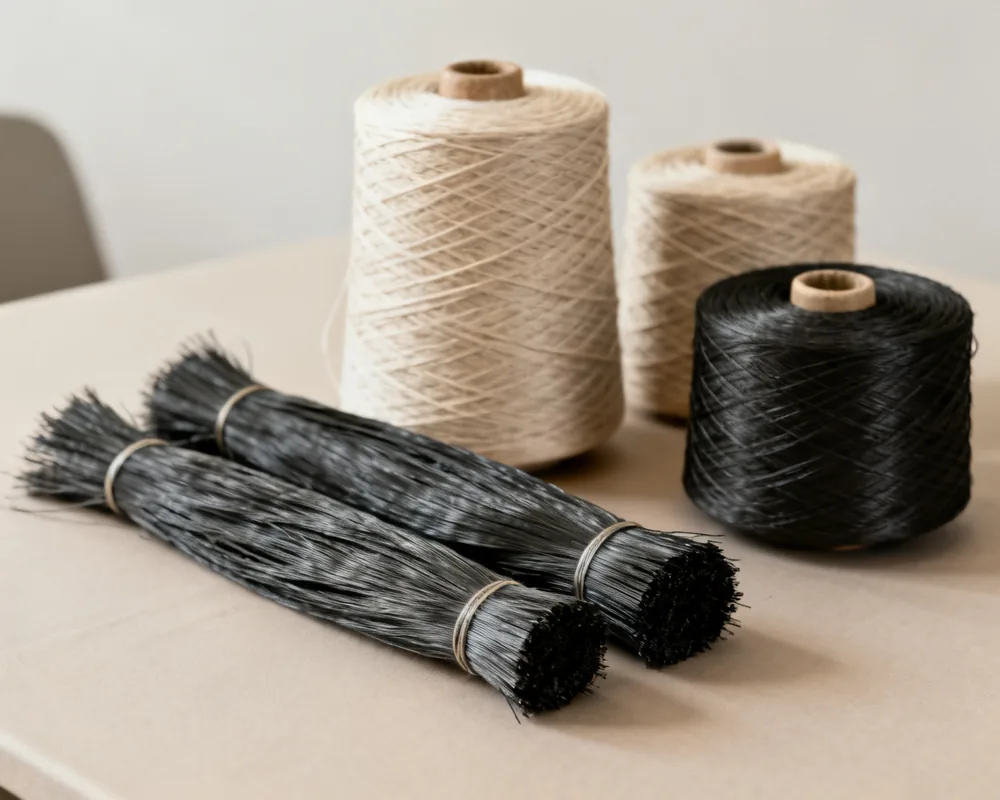
Unbranded carbon tow and yarn packages on a neutral table

Yarns, Fibers and Threads

For tow and yarn, record linear density in dtex or denier, the sizing question, and the supply format. A 3K label means 3,000 filaments; it is not a yarn count and it is not a fabric GSM.

View material scope
Material brief

Questions before a comparison

Fields to agree; no product performance is implied
Field Target question Evidence question
Composition Name the fiber family and any hybrid yarns Read the declaration that belongs to this construction
GSM Set an areal-weight target and tolerance for cloth Confirm whether the specimen was dry fabric or prepreg
Usable width Separate cuttable cloth from selvedge or trim Ask which roll or sheet the width refers to
Finish Describe sizing, binder, or resin film if one is present Check that the sample state matches the process you will use

Match the application

  1. Identify the setting

    A structural laminate, a tooling skin, and a local patch do not ask the same reinforcement for the same drape or thickness.

  2. Describe the stress

    Separate fiber-direction tension, shear at a joint, impact, and the handling the ply sees before cure.

  3. Match the evidence

    A tow tensile result, a fabric areal weight, and a laminate coupon answer different questions. Keep each one with its method.

Fabric selection questions

Why is GSM not enough?

Areal weight does not name the weave, the tow size, or whether resin is already in the textile. Two cloths at a similar GSM can drape and wet out differently. Air permeability, stretch recovery, colorfastness, dimensional stability, a lab dip, and a shade band do not fill that gap. Coating add-on and lamination are separate construction questions. Batch traceability and roll inspection belong to the lot, not to the grade nickname. Seam slippage is an apparel method and is not the splice check. A cloth tensile question may cite ISO 13934, and a tear question may cite ISO 13937; those are method names to request, not results stored here.

How should I describe a sample?

Give the grade family if you have it, then the construction, usable width, and whether you are looking at dry fiber, sized tow, or prepreg. Add the shade or surface when appearance is part of the decision. A 12K label means 12,000 filaments, and a buyer may write 200 g/m² as a cloth target. Neither figure is a stocked Toray construction on this page.

Can test results be compared directly?

Compare them after the method, specimen state, and scope are visible. Tensile strength on a tow and tear strength on a cloth answer different questions, and a cured-laminate figure is a third specimen. Hydrostatic head is not the subject of this reinforcement desk. A dry cloth and a prepreg are different constructions, and a stock reference and a custom development are different checkpoints. Carbon or another synthetic fiber and a natural-fiber proposal are read against the property the brief names, not against a universal ranking.

Have a fabric reference?

Share the reinforcement and the laminate job it needs to serve.

Discuss your fabric requirements